

About
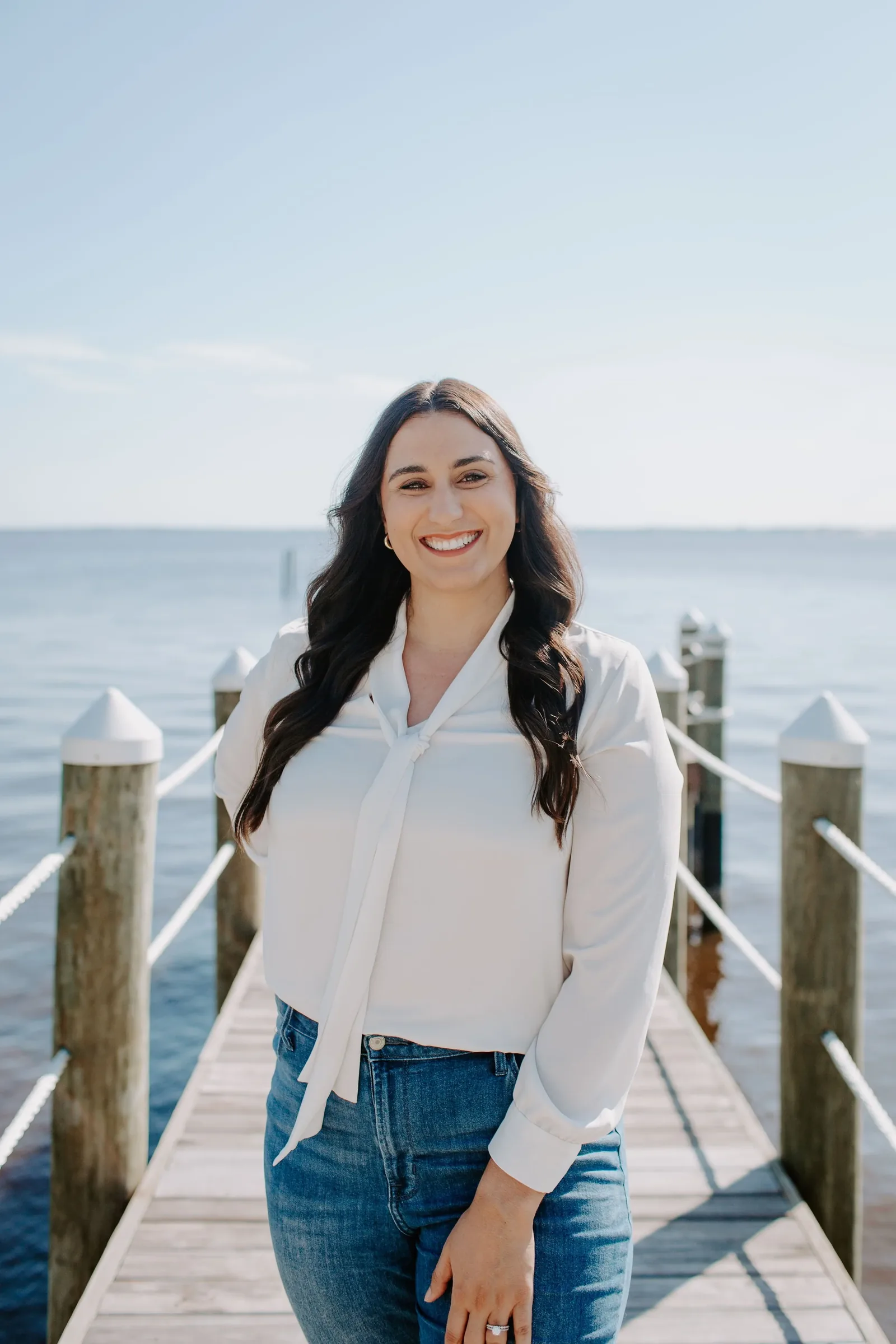
Hi, I am Dr. Savannah Landis
Licensed clinical and sport psychologist, former competitive swimmer, and the person who will be sitting across from you.
My story
My life used to be completely driven by numbers
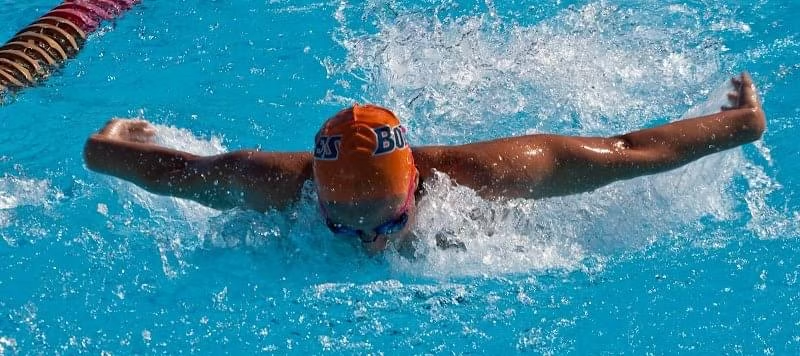
Over the course of my last five years as a competitive athlete, my morning routine began with a blaring 5:00 am alarm and a two hour swim practice consisting of 8,000 yards of hard work. My rationale for choosing to endure this daily pain was a belief: this will pay off.
The number I built a life around
That belief was operationalized into the Olympic Trial cut for the 100m butterfly. The time was tattooed in my brain, and all I valued was achieving that tangible outcome of a number. I repeatedly fell short of it, and my life's purpose was essentially lost. Eventually I decided to hang up the goggles and retire.
During that transition I experienced relief and grief, happiness and depression, solace and confusion. I had to accept that this chapter had ended in a way I had not imagined. Without numbers I felt like I had nothing, so I knew I had to find a new way forward.
Taking the goggles off
With my goggles on, I could only see life through a numbers-oriented lens. When I took them off I gained a new perspective: process over outcome. My experience as an athlete was less about the end goal of a quantifiable time and more about the impact of the journey. It was the daily commitment to the pool even when that meant feeling like a failure.
I learned patience, consistency, and how to invite discomfort. The process of failing as part of growth is not comfortable, but I have not understood growth and success to come from comfort.
What it has to do with your therapy
Swimming did not pay off with regard to the Olympic Trial cut, but it did pay off in teaching me treasured life lessons and instilling the values I carry as a therapist. In therapy the outcome is never guaranteed, but diligent investment in the process is crucial for growth.
Now I enjoy the smell of chlorine, a scent once tied to measurable success, because it reminds me of my choice to live not for a payoff but for a meaningful, enriched, ever-growing life.
Then
The years that taught me the rest of it

I choose to look at my mistakes and failures as a gift of knowledge, and an opportunity to reflect and grow.
Dr. Savannah Landis, Psy.D.
What I do and how I got here
I am a licensed clinical and sport psychologist, and I specialize in the treatment of athletes with eating disorders.
I graduated with my Psy.D. from Loyola University Maryland in 2021. I completed my pre-doctoral internship at Lehigh University specializing in sport psychology, then completed my post-doctoral residency at McCallum Place Eating Disorder Centers specializing in the treatment of athletes with eating disorders.
That path was deliberate. Sport psychology and eating disorder treatment are usually separate worlds, trained separately and practised separately, and athletes fall through the gap between them constantly. I went and got both.
About Dr. Landis
A therapist who has stood where you are standing
Dr. Savannah Landis, Psy.D. brings more than ten years of clinical experience and a competitive athletic background to her work. She understands the weight of high performance, the perfectionism, the pressure, and the quiet struggles that do not always show on the outside.
Her approach is evidence-based and deeply compassionate, tailored to your sport, your history, and your goals. The work is collaborative, a partnership toward a life that feels like yours again.
Credentials
The short version
- Loyola University Maryland
- Psy.D.
- Conferred 2021
- Years in practice
- 10+
- Across multiple levels of care
- Specialist trainings
- 2
- Lehigh University and McCallum Place
- Ages seen
- 15+
- Teens through adults
Featured and trusted
Where my work has appeared, and who I have worked alongside
Featured in
- Women's RunningWhat eating disorder recovery for runners looks like now
- The Angelos of Kappa Delta
- Lane 9 podcast and directory
- Diet Recovery Club podcast
- Jacksonville Healthcast
- Take Care of Your Body by Ry
- USOPC Mental Health DirectoryUnited States Olympic & Paralympic Committee
- Strong Girls UnitedMental Health Advisory Board
Schools and universities
- The Bolles School
- Bolles Swimming and Diving
- Episcopal School of Jacksonville
- University of West Florida Athletics
- Jacksonville University
Clubs, teams, and community
- Tri with Skye
- Jacksonville Track Club
- Clarity Fitness
- Strong Girls United
- Professional Women's Hockey League (PWHL)
Treatment teams and providers
- Mayo Clinic
- AthleatMD
- McCallum Place: The Victory Program
- Waves of Hope
- The Renfrew Center
- Equip
- National Association of Anorexia Nervosa and Associated Disorders (ANAD)
- Body Positive Fitness Alliance
Organizations are listed to describe past collaboration and media appearances. A listing does not imply endorsement.
How I practice
The approach, and the feel of it
Integrative by design
My treatment modality is an integrative approach drawing from Cognitive Behavioral Therapy, Acceptance and Commitment Therapy, and Dialectical Behavior Therapy, with an emphasis on interpersonal process and a self-compassionate lens.
I also practice cultural humility, so that everyone who walks in feels welcome and understood. My experience across different levels of care means I know when and how to adjust your treatment plan, so it stays right for you.
Warm, but not passive
I am all about creating a safe, non-judgmental space that is genuine, down to earth, and empathetic, but in a way that will challenge you to make the progress that you deserve.
Together we will celebrate your victories, big and small, and tackle challenges head on. As a person and as a clinician I value honesty and authenticity, alongside compassion, flexibility, and collaboration.

Jacksonville
Practising where I grew up competing
The pool decks, the causeways, and the early starts are not a backdrop I read about. They are the ones I trained on.
Mission and values
Why Harbor Counseling exists
Harbor Counseling and Psychological Services exists because the mental side of sport is treated as optional, and it is usually the part carrying the weight. Mental performance work is not a luxury bolted onto training. It is where focus, confidence, and the ability to recover from a bad race are actually built, and it is the edge most athletes are leaving on the table.
That work sits alongside the other half of this practice. Eating disorders in sport are common, under-recognized, and treated as though they belong to a separate world from performance. They do not. The same drive that makes an athlete coachable can turn into the thing that takes them out of their sport, and the care for it should come from someone who understands both.
So I work with athletes, parents, and coaches on both: sharpening the mental skills that make performance sustainable, and naming the risk factors early enough to do something about them. When mental illness does occur despite everyone's best efforts, I intervene and build a recovery that holds, because it is through supported recovery that an athlete stays healthy and keeps chasing what they came for.
Working with me
Questions people ask before booking
Availability changes through the year, and it is usually tighter at the start of a school or competitive season. The fastest way to find out is to reach out. If I am full, I will tell you and try to point you toward someone suitable rather than leaving you waiting indefinitely.

Let us see if we are a good fit
Book a free 15 minute consultation. No pressure, no commitment, just a conversation.
Book a free consultation